
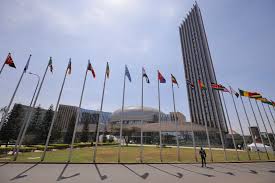
What would constitute an African position and perspective as the Iran-Israel-US conflict continues to rage? Why does a strong continental as well as individual nation-state stance matter? While the African Union (AU) can provide a solid collective position for the continent — irrespective of alignment with any bloc — and despite perceptions among some actors and commentators that the AU is relatively weak and ineffective, a unified position on the current situation would reflect strength and solidarity. It would also absolve Africa and Global South actors from accusations of complicity in the face of grave violations of the international order.
Even with a limited stance on the conflict, the consequences remain severe for Global South nations due to their varied vulnerabilities. At the same time, the crisis raises important questions about the principle of sovereignty and what it means for weaker or low-resourced countries. When bad precedents are set by unilateral actions of great powers, stronger and more advanced states will always be in a position to bully low-resourced ones. This is not something that piecemeal statements from the AU or bilateral allegiances can adequately address. A stronger, coordinated voice that emphasises diplomacy and the need to uphold the international order as enshrined in the UN Charter would go a long way in advancing Africa and Global South perspectives and priorities in international discourse. This has long been the consistent position of the Centre for Multilateral Affairs on such matters.
As the hostilities between Iran, Israel, and the United States continue following the launch of Operation Epic Fury on 28 February, African nations are once again reminded that distant conflicts carry immediate and disproportionate consequences for the Global South. At the Centre for Multilateral Affairs, we have consistently argued that Africa and Global South actors can effectively influence international discourse when their voices are clearly pronounced and their priorities and perspectives are placed at the core. The current conflict offers an important opportunity for Africa and Global South actors to re-emphasise the need for diplomatic solutions.
The African Union has, from the outset, called for restraint, de-escalation, and a return to dialogue consistent with the UN Charter and the principles of territorial integrity and sovereignty. While this position reflects not passive neutrality but a principled recognition that prolonged instability in the Gulf directly undermines the economic recovery and development priorities of African states already navigating debt distress, climate vulnerabilities, and post-pandemic challenges, the question remains: are these statements sufficient? Can Africa play a more constructive and active role in contributing to the peace process in the Gulf?
African responses have naturally varied according to national interests and longstanding partnerships. Some member states, including South Africa and Algeria, have rightly highlighted the risks posed by unilateral military actions to established norms of international law. Others with deeper economic ties to Gulf partners have condemned retaliatory strikes on regional neighbours. What remains consistent across these positions is a shared continental concern for stability in a region that supplies critical energy resources, investment flows, and maritime trade routes essential to Africa’s growth. Yet without an active role in shaping the decisions that lead to a peace process in the Middle East, these statements remain insufficient and continue to position Africa as bystanders in international relations — particularly in how Africa and the Global South engage on the global stage.
The economic implications demand urgent attention. The sharp rise in global oil prices in the early weeks of the conflict has already exerted inflationary pressure across the continent, straining foreign exchange reserves and increasing the cost of fuel, transport, and imported goods. For net oil-importing countries — which constitute the majority in Africa — these shocks threaten to widen fiscal deficits and reduce the policy space needed for investments in health, education, and infrastructure.
Equally significant is the digital dimension of this conflict. As CfMA has examined in our work on cyber norms and inclusive AI governance in Uganda, the weaponisation of artificial intelligence for disinformation campaigns represents a new frontier in modern warfare. The rapid spread of deepfakes, manipulated footage, and coordinated false narratives complicates public understanding of events on the ground and risks eroding trust in multilateral institutions. For African policymakers and citizens, navigating this information environment requires the same evidence-based approach we advocate in our digital participation and AI policy research: strengthened media literacy, independent verification mechanisms, and active engagement in international forums to shape responsible norms in cyberspace.
Uganda’s longstanding contributions to regional peace and security further underscore the value of proactive multilateral engagement. Through its peace support operations, Uganda has demonstrated how targeted contributions can help stabilise volatile situations and prevent the spillover of conflicts. But perhaps the most important and substantive step Uganda can take is to issue a strong position on the conflict, calling for the international rules-based order to prevail and volunteering to support negotiations for peace in the Gulf.
Similarly, in the context of transboundary resource management, Uganda’s efforts in the Nile River Basin illustrate the importance of diplomatic cooperation in addressing shared challenges that could otherwise escalate into broader security threats. These experiences highlight that sustained dialogue and coordinated action among states remain essential tools for safeguarding sovereignty and promoting stability — principles that African actors should continue to champion in response to the current Middle East crisis.
From an African perspective, the conflict also revives fundamental questions about the consistent application of international law, the dangers of great-power rivalry, and the limited voice of the Global South in shaping outcomes that directly affect our economies and security. It underscores the necessity for African states to speak with greater coordination on issues of peace and security, leveraging platforms such as the African Union, the Non-Aligned Movement, and the United Nations.
At CfMA, we maintain that the responsible path forward lies in enhanced multilateral diplomacy. African leaders should continue to advocate for de-escalation, the protection of critical maritime routes, and the establishment of transparent mechanisms for verifying claims in conflict zones. Domestically, governments must prioritise resilience measures — including strategic petroleum reserves, diversified energy partnerships, and deeper intra-African trade under the AfCFTA — to cushion external shocks and safeguard development gains.
In an era where distant wars increasingly shape local realities, Africa cannot afford a reactive posture. By grounding our responses in evidence-based analysis and advancing clear Global South priorities, the continent can contribute meaningfully to a more stable and equitable international order.
Moses Owiny
Founder
Centre for Multilateral Affairs (CfMA)
Kampala, Uganda
This Post Has 2 Comments
The article is thoughtful, accurate, and generous with knowledge.
This website keeps winning.
This article is good and well prepared. The site is useful and dependable.